
Choosing the Best Stain for Residential Fences
When you invest in a beautiful wood fence for your property, you want it to look stunning and stand strong for years to come. However, protecting exterior wood is no small task, especially when dealing with the unpredictable weather swings here in the Chicagoland area. From harsh, freezing winters to humid, sun-drenched summers, your fence takes a beating from the elements every single day.
Choosing the right stain for wood fences is one of the most important decisions you can make to protect that investment. A high-quality, properly applied finish provides a reliable barrier against moisture, UV rays, and extreme temperature fluctuations. A well-stained fence not only dramatically enhances the curb appeal of your home but also prevents costly issues like rot, warping, and splintering down the road.
With so many options on the market, the decision can feel overwhelming. Between bases, opacities, and maintenance requirements, it is easy to get lost in the details. Let's break down the different types of stains, their long-term benefits, and how to determine the perfect match for your property.
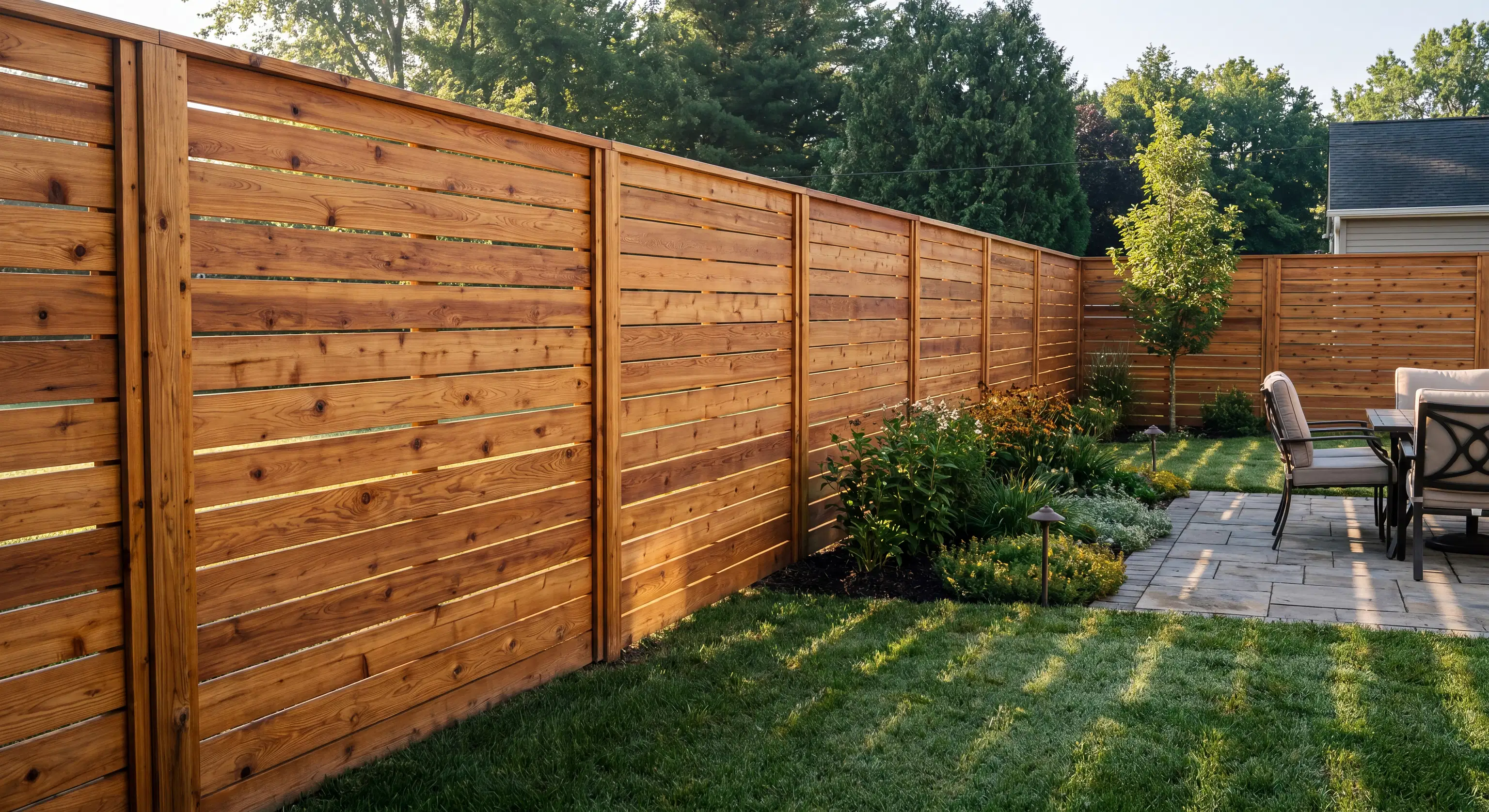
The Great Debate: Oil-Based vs. Water-Based Fence Stains
One of the first decisions you need to make is choosing between an oil-based and a water-based product. Understanding the benefits of oil based vs water based fence stain is crucial for long-term durability and performance.
Oil-based stains have been the traditional go-to for decades, and for good reason. Their primary advantage lies in their ability to penetrate deeply into the wood fibers. By soaking into the wood, oil-based formulas condition the boards from the inside out, providing exceptional protection against moisture. This makes them highly effective at repelling water and preventing wood rot from taking hold. They are also known for providing a rich, even finish that tends to fade gradually and gracefully over time, rather than peeling or flaking off in chunks. However, they can take longer to dry completely and require more intensive, solvent-based cleanup.
On the other hand, water-based stains (often acrylic) have seen massive technological improvements in recent years, aligning perfectly with modern sustainability and eco-friendly building trends. Water-based options sit slightly more on the surface of the wood, creating a breathable but highly durable outer barrier. They offer superior UV protection, which helps retain the color longer without fading. They also dry significantly faster, emit fewer odors due to lower volatile organic compounds, and clean up easily with simple soap and water. If you are highly focused on environmental impact and long-lasting color retention, water-based stains are an excellent choice.
Our team always evaluates the specific wood species, age, and previous treatments of your fence before recommending the ideal formula for your yard.
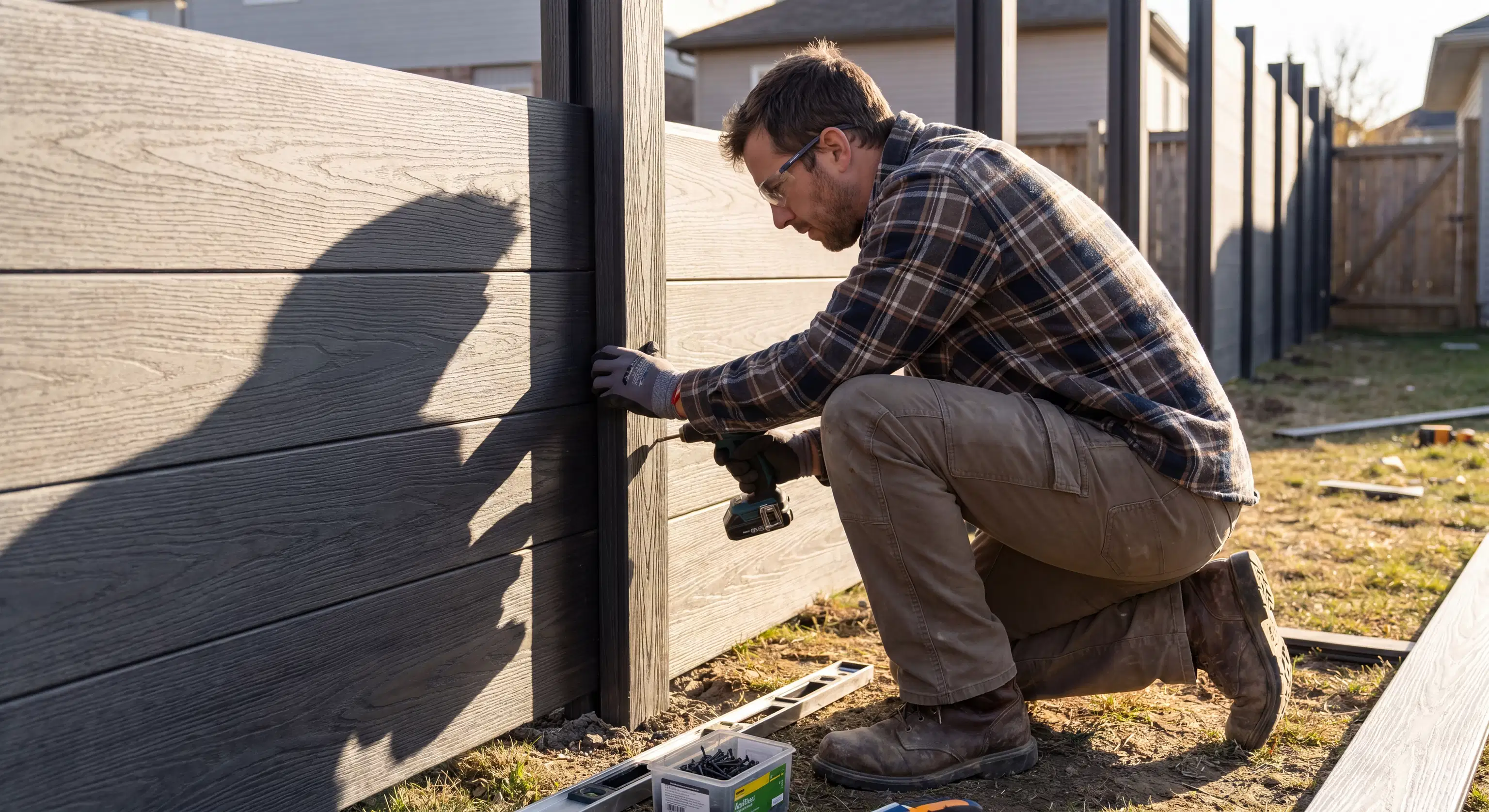
Solid vs. Semi-Transparent Fence Stain Differences
Once you have decided on the base formula, you must choose the opacity. The solid vs semi transparent fence stain differences primarily come down to your aesthetic preference, the current physical condition of your wood, and the level of maintenance you are prepared for in the future.
Semi-transparent stains contain a lighter amount of pigment. They are designed to add rich color to the wood while still allowing the natural grain and texture to shine through. This is an incredibly popular choice for brand-new fences or premium woods like cedar and redwood, where you want to showcase the natural, organic beauty of the material. A semi-transparent finish creates a warm, inviting look. However, because it has less pigment blocking the sun, it will require slightly more frequent reapplication as UV rays break down the finish over time.
Solid stains, conversely, act much more like traditional paint. They are heavily pigmented and completely opaque, hiding the wood grain while still revealing the wood's physical texture. Solid stains offer the absolute highest level of UV protection because the dense pigment acts as a strong shield against the sun. They are highly recommended for older fences that might have discoloration, mismatched replacement boards, or weathering flaws you want to conceal.
When facing notorious Lake Effect weather, a solid stain provides a formidable barrier against freezing moisture and wind-driven rain. If you are also considering upgrading the rest of your home's exterior, coordinating a solid fence stain with a comprehensive exterior painting project can create a beautifully cohesive and upscale look for your entire property.

How Often Should Wood Privacy Fences Be Restained?
A common question we hear from homeowners regarding their outdoor spaces is about maintenance timelines. There is no one-size-fits-all answer, as it depends heavily on sun exposure, local weather conditions, and the exact type of stain you originally selected. Generally speaking, if you want to know how often should wood privacy fences be restained, the rule of thumb is every two to three years for semi-transparent stains, and every three to five years for solid stains.
You can perform a simple water test to check your fence's current condition: splash some water onto a few different boards. If the water beads up on the surface, your protective seal is still doing its job. If the water soaks immediately into the wood, turning it dark, it is time for a new coat.
Keep in mind that proper preparation is just as important as the stain itself. Dirt, mildew, and old flaking finishes must be thoroughly removed before any new product is applied. Applying a premium stain over an unprepared surface is a recipe for premature failure. Proper power washing, careful sanding, and adequate drying times are non-negotiable steps in ensuring your fence looks incredible and lasts through the changing seasons.
Protect Your Outdoor Living Spaces
Your fence provides privacy, security, and a beautiful backdrop for your outdoor living areas. Don't let the harsh elements cut its lifespan short. Choosing the right products and applying them with professional precision ensures you get the absolute most out of your exterior investments.
If you are ready to revitalize your property, E3 Painting is here to help. We combine top-tier materials with expert craftsmanship to deliver flawless results that stand the test of time. Whether you need comprehensive fence painting and staining to protect your backyard oasis or a complete exterior refresh, our team has the local expertise to handle the unique demands of Chicago weather. Reach out today to schedule a consultation and give your fence the durable, beautiful finish it deserves.