
Essential Prep Steps for Long-Lasting Exterior Paint
If you own a home in Chicagoland, you know that our weather takes a significant toll on the outside of your property. From the brutal freeze-thaw cycles of winter to the intense, humid summer sun, the elements are constantly testing your home's exterior defenses. When homeowners ask us how to best protect their investment, the conversation always starts with a high-quality residential painting project. But there is a secret to getting an exterior coating to survive the harsh Lake Effect conditions: the meticulous preparation work done before the paint cans are even opened.
Many property owners naturally wonder how long does exterior house paint last. The truth is, the lifespan of your paint job is directly tied to the foundational work performed before the brush ever touches the siding. Rushing the prep phase is the fastest way to guarantee peeling, bubbling, and flaking within a single year. Whether you live in a classic Chicago Bungalow or a modern suburban build, investing the proper time into cleaning, repairing, and priming is what truly extends the life of your exterior surfaces while elevating your home's curb appeal.
Step 1: A Deep Clean to Remove Years of Grime
You would not apply a fresh coat of wax to a muddy car, and the same logic applies to your home's exterior. The importance of power washing before painting exterior surfaces cannot be overstated. Over the years, environmental pollutants, dirt, mildew, algae, and chalky residue build up on your siding and trim. If you attempt to paint directly over this contaminated layer, the new paint will adhere to the dirt instead of the physical structure of the house itself.
A thorough power washing provides a clean, porous surface for the new coating to grip. It also reveals hidden flaws in the siding, such as soft spots in the wood or failing caulk lines, that need to be addressed before moving forward. However, it is vital to use the correct pressure settings. Blasting vintage siding with too much pressure can force water behind the boards or gouge the wood. A professional touch ensures that the surface is sanitized and prepped without causing accidental damage.
Step 2: Scraping and Sanding for a Smooth Canvas
One of the most common questions we hear during consultations is how to prevent exterior paint from peeling. The answer largely lies in how meticulously the previous, failing layers are removed. Any loose, bubbling, or flaking paint must be scraped away entirely to create a stable foundation.
Figuring out how to prep house siding before painting involves a significant amount of manual labor and an eye for detail. After scraping away the loose flakes, the edges where the old paint meets the bare wood must be feathered out with heavy-grit sandpaper. This creates a seamless, flush transition that not only looks beautifully smooth but also prevents moisture from sneaking under the edges of the remaining paint. Whether we are working on a sprawling contemporary home, a historic greystone's wooden trim, or a traditional two-flat, this sanding step is non-negotiable for a durable, weather-resistant finish. It requires patience and proper safety gear, especially when dealing with older homes that may contain historic materials.
Step 3: Essential Repairs and Weatherproofing
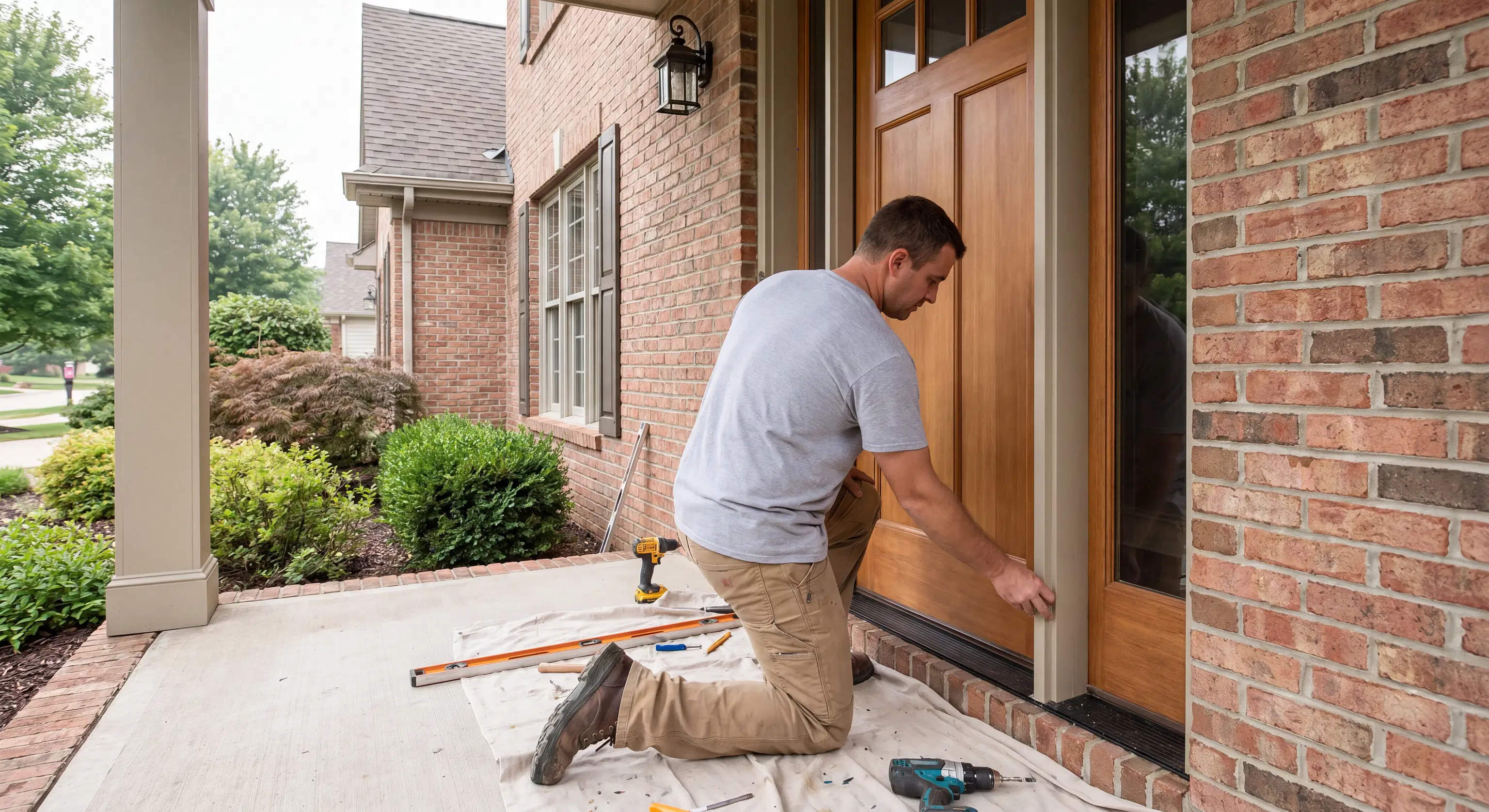
Once the surface is clean and smooth, it is time to meticulously inspect for damage. Wood rot is a frequent issue, especially around windows, doors, and the base of older structures like a rear coach house. Any compromised wood must be properly repaired or completely replaced before a drop of paint is applied. Painting over rotting wood is merely a temporary visual bandage on a problem that will continue to degrade the structure of your home.
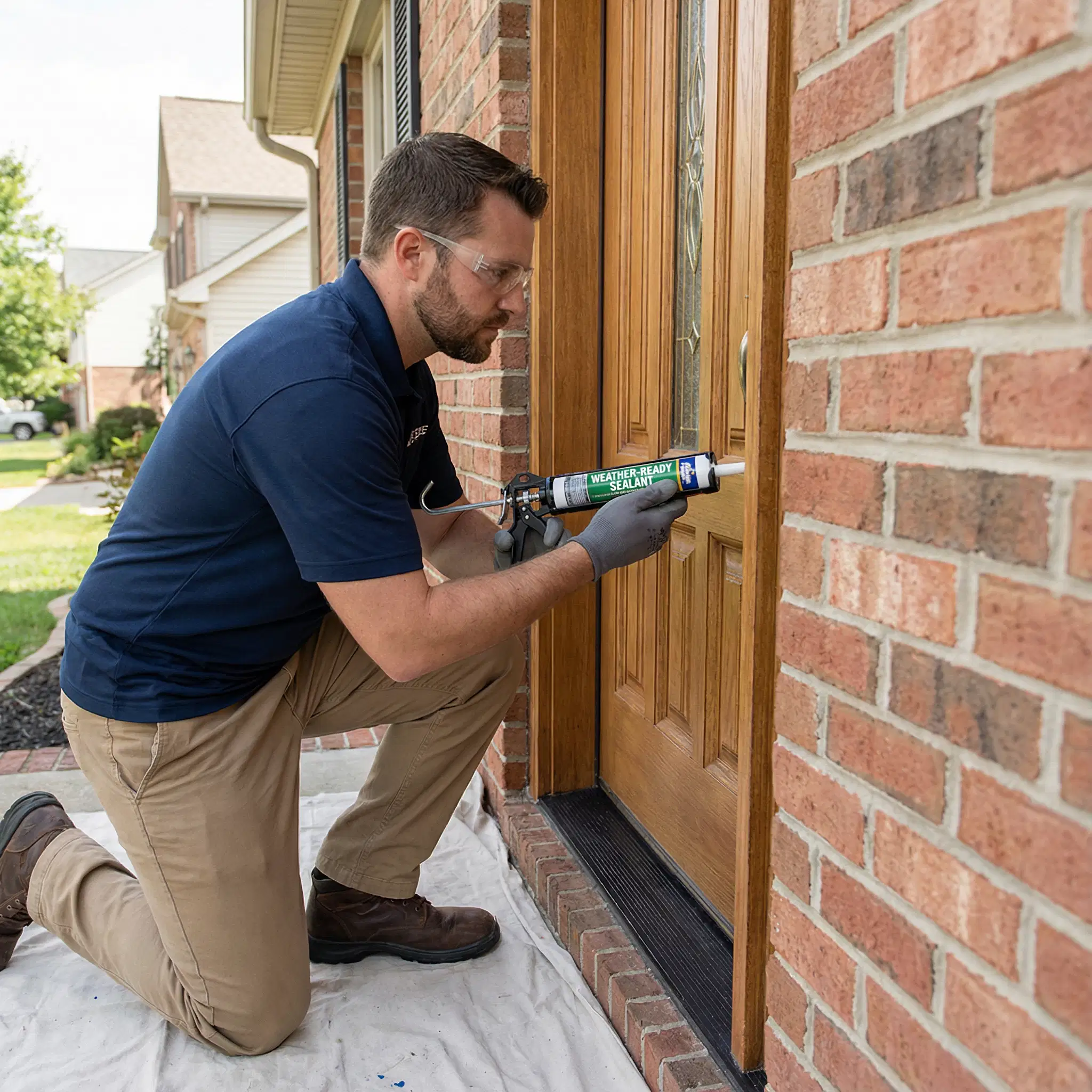
Following any necessary structural repairs, we apply high-grade, flexible exterior caulk to seal gaps, cracks, and joints. This is a vital step in weatherproofing your home against seasonal moisture and the notorious local climate. We pay special attention to areas where different building materials meet, such as where wooden window frames border exterior masonry. Proper caulking stops water infiltration in its tracks, which is a leading cause of both premature paint failure and costly interior water damage.
Step 4: The Power of a High-Quality Primer
Applying primer might seem like an unnecessary extra step, especially with modern paint formulas that claim to be an all-in-one paint and primer, but for a truly resilient finish, a dedicated coat of exterior primer is essential. Primer acts as the ultimate bonding agent. It effectively seals porous bare wood, locks out moisture, and creates a uniform, slightly textured surface that allows the topcoat to adhere perfectly.
Primer is particularly crucial if you are making a drastic color change, painting over stained wood, or if the surface has undergone extensive scraping and repairs that left patches of bare material exposed. Skipping this critical bonding step almost always leads to a blotchy, uneven finish and significantly reduces how long the final paint job will endure. By choosing the right primer for the specific material—whether it is an oil-based primer for stain-blocking or an acrylic primer for flexibility—we ensure the highest level of performance.
Trust the Process for Lasting Results
A beautiful, long-lasting exterior transformation is built entirely on a foundation of rigorous preparation. While it is tempting to skip straight to the satisfying color application, investing the necessary time and expertise into cleaning, scraping, repairing, and priming is what truly protects your property from the elements.
If you are looking for professional exterior painting that can reliably withstand the demands of the Chicago climate, our team at E3 Painting is ready to help. As an experienced general contractor, we never cut corners on prep work, ensuring your home looks incredible and stays structurally protected for years to come. Do not leave your home's first line of defense to chance. Contact us today to schedule a consultation and receive a transparent, detailed estimate for your next exterior project.