
Fall Exterior Painting: Temperature Guidelines for Success
As the vibrant summer fades and crisp autumn air settles in, many homeowners begin thinking about checking off those final exterior maintenance tasks before winter arrives. A fresh coat of paint not only enhances your home's curb appeal but also provides a crucial layer of protection against harsh weather. However, completing a painting project during this time of year requires careful planning. If you live in Chicagoland, you know how quickly the weather can shift from a warm, sunny afternoon to a freezing evening.
For homeowners considering an autumn refresh, a common concern is the weather. Applying paint in sub-optimal conditions can lead to poor adhesion, premature peeling, and a finish that doesn't last, ultimately eroding your investment. At E3 Painting, we want to ensure your home is protected and looks beautiful for years to come. In this guide, we will explore the essential temperature guidelines for fall painting, ensuring your next project goes off without a hitch.
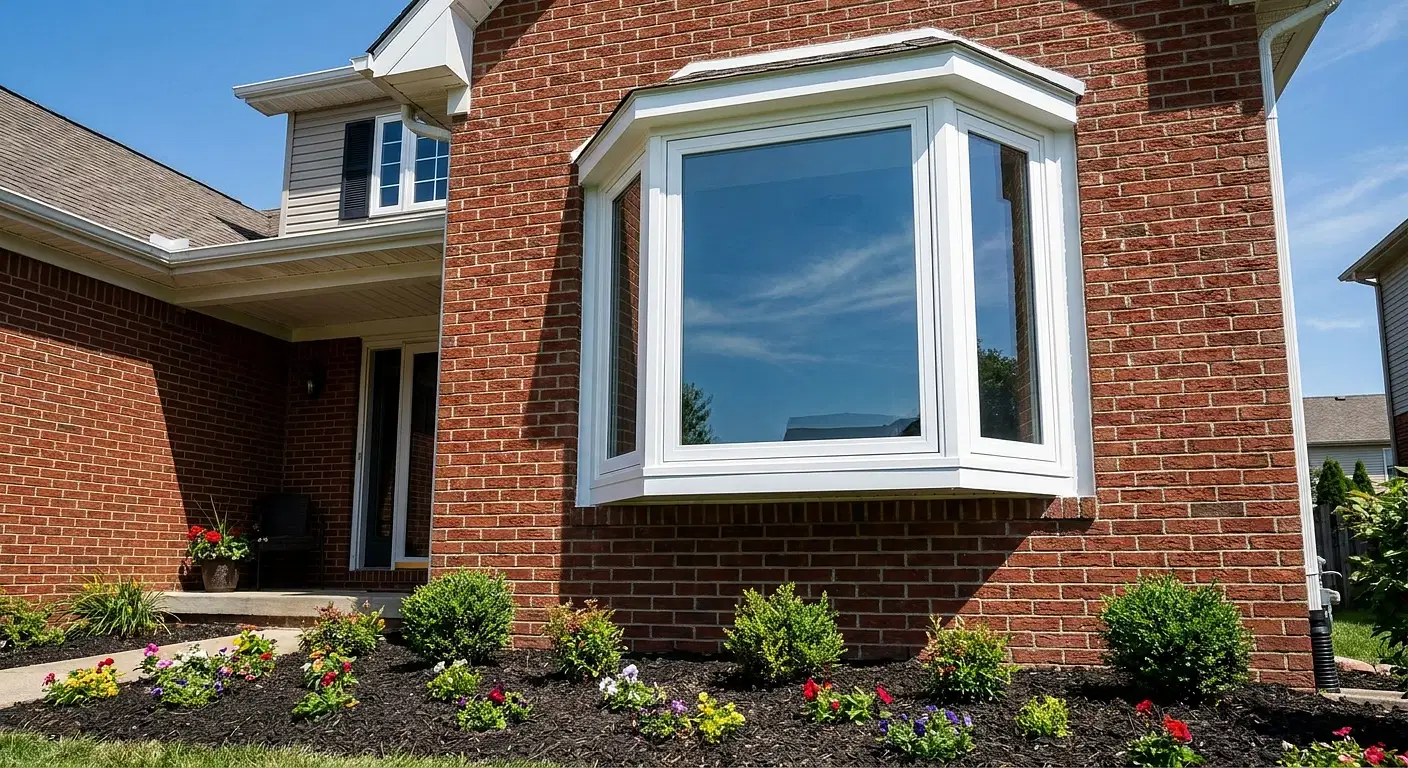
What is the Minimum Temperature to Paint a House Exterior?
One of the most frequent questions we receive from clients as the seasons change is about the exact temperature limitations for outdoor work. If you are wondering what the minimum temperature to paint house exterior surfaces is, the answer depends heavily on the specific type and brand of paint being used.
Historically, standard latex and acrylic paints required a minimum temperature of 50 degrees Fahrenheit to properly adhere and dry. However, advancements in paint technology have introduced specially formulated cold-weather paints that can be applied in temperatures as low as 35 degrees. While this extends the working season significantly, it is vital to remember that this temperature requirement applies not just to the air temperature, but also to the surface temperature of the house itself.
When asking how cold is too cold for exterior painting, a good rule of thumb is to monitor the overnight lows. Even if the daytime high reaches an acceptable 45 or 50 degrees, a sharp drop in temperature overnight can disrupt the drying process. Professional painters always look at the 48-hour forecast to ensure the temperature will remain stable enough for the paint to set securely. Properly estimating these weather windows is part of what separates a reliable professional from someone looking to rush a job.
How Does Low Temperature Affect Exterior Paint Curing?
To understand why weather matters so much, it is important to distinguish between drying and curing. Paint may feel dry to the touch within a few hours, but curing is the longer chemical process where the paint fully hardens and binds to the surface. So, how does low temperature affect exterior paint curing?
When temperatures drop too low, the acrylic binders in water-based paints can struggle to coalesce. Instead of forming a tough, flexible film that protects your home, the paint can become brittle, leading to poor adhesion. This often results in a powdery texture, blistering, or flaking shortly after application. Additionally, cold air typically slows down the evaporation rate of the water or solvents in the paint. If dew or frost forms on a newly painted surface before it has adequately cured, the moisture can seep into the paint film, causing streaking, fading, or a milky appearance known as surfactant leaching.
This is why hiring a knowledgeable general contractor for your home improvements is so critical. An experienced Residential Painting team understands the science behind the products they use and will never risk the integrity of your home's exterior just to finish a project quickly. We prioritize transparent communication and will always keep you informed if weather conditions necessitate a shift in the project schedule.
Can You Paint Exterior Siding in Late Fall?
With the risks of cold weather established, you might be asking: can you paint exterior siding in late fall? The short answer is yes, but it requires strategic timing and meticulous preparation.
During late fall, the optimal window for painting shrinks. Painters usually need to start later in the morning to allow the morning dew to evaporate and the siding to warm up in the sun. Work must also stop earlier in the afternoon—often by 2:00 PM or 3:00 PM—to give the fresh paint enough time to set before the evening chill and dew point set in. When navigating the narrow gangway between houses or working on shaded sides of a traditional two-flat, surface temperatures can be significantly colder than the sunlit areas, requiring careful monitoring.
Thorough surface preparation becomes even more critical in the fall. Any trapped moisture or lingering dirt can lead to catastrophic paint failure in cold conditions. This includes proper scraping, sanding, and allowing ample time for the siding to dry completely after pressure washing. A rushed job in November will likely become a peeling mess by April.

Partnering with the Right Professionals
Navigating the complexities of seasonal home maintenance can be stressful, especially when trying to decipher general contractor quotes and ensuring you are getting true value. Many homeowners experience the frustration of trying to find a reliable team that offers transparent pricing and actually shows up on time.
When selecting a contractor for your fall painting needs, prioritize businesses that are fully licensed, bonded, and insured. Look for a strong portfolio of past projects and positive customer reviews that speak to their reliability and communication. A trustworthy contractor will not only provide a detailed, accurate project estimate but will also be honest with you about weather limitations. They will outline a clear payment schedule and ensure you are completely satisfied with the daily progress and site cleanliness.
Protect Your Home This Autumn
Fall is a beautiful time of year, and it is entirely possible to complete a successful exterior painting project before the snow flies—provided you respect the temperature guidelines and work with professionals who understand the regional climate. By paying close attention to minimum temperature thresholds and the curing process, you can ensure your home's exterior is beautifully protected against the incoming winter.
At E3 Painting, we specialize in high-quality Exterior Painting tailored to the unique demands of Chicago weather. Our dedicated team is committed to transparent communication, superior craftsmanship, and leaving your property looking its absolute best. If you are considering a fall painting project, don't wait until the deep freeze sets in. Contact us today to discuss your vision and schedule a comprehensive consultation.